How Global Events Are Shaping the GTA Real Estate Market in 2026
The Greater Toronto Area (GTA) housing market doesn't move in isolation. Global conflicts, trade disputes, and central bank decisions ripple down into local mortgage payments, construction costs, and how long a home sits on the market.
Here's what's actually driving GTA real estate right now — and what it means if you're buying, selling, or working as an agent in this market.
Key Takeaways
Global supply chains are pushing up construction costs and project timelines across the GTA
Canada-U.S. trade friction is complicating material sourcing for lumber and steel
Bank of Canada rate policy continues to squeeze buyer purchasing power despite recent adjustments
Immigration-driven population growth keeps long-term demand strong, especially for rentals and entry-level homes
Agents are shifting from high-volume transactions to advisory, high-touch client relationships
1. Global Conflicts and Trade Friction Are Raising Construction Costs
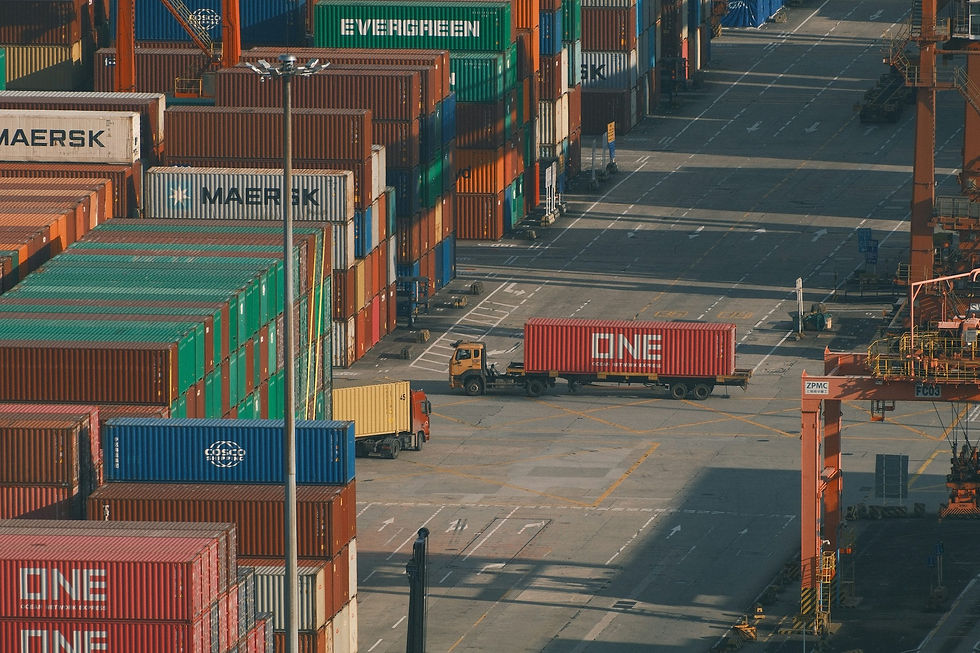
Ongoing instability in the Middle East, the war in Ukraine, and Red Sea shipping disruptions continue to drive volatility in global energy and raw material prices. For the GTA, that translates directly into:
Higher costs for imported building materials
Longer project completion timelines for new developments
Persistent upward pressure on baseline inflation
Add to this the ongoing trade friction between Canada and the U.S., which is complicating sourcing for lumber and steel — two materials central to residential construction. The result is softer sentiment in the commercial real estate segment and added cost pressure on new builds.
Why it matters: If you're buying pre-construction, expect possible delays and cost adjustments tied to these global supply pressures.
2. Interest Rates Are Still Squeezing Buyer Purchasing Power
The Bank of Canada's policy rate remains one of the biggest levers on affordability in the GTA. Even with recent rate adjustments intended to ease pressure, borrowing costs relative to income growth have kept buyer purchasing power tight.
This is showing up in the market as:
A wider bid-ask spread between what buyers will pay and sellers expect
Rising inventory levels as homes take longer to sell
Slower overall sales velocity across the GTA
Why it matters: Buyers should factor in debt-service ratios and rate-risk scenarios before making an offer — not just today's rate, but where it could realistically move.
3. Immigration Is Still Fueling Long-Term Demand
The GTA remains one of Canada's top destinations for newcomers, and that population growth continues to support structural housing demand — particularly in:
The rental market
Entry-level and starter homes
That said, near-term affordability constraints are pushing many buyers toward suburban markets and multi-family properties rather than the downtown core.
Why it matters: Even in a slower sales environment, rental demand and entry-level housing remain relatively resilient.
What This Means for GTA Real Estate Agents
The shift from a low-rate, high-volume market to a fundamentals-driven one is changing how agents need to operate:
Volume to value: With lower transaction counts, success depends more on advisory-based service than fast turnover.
Niche specialization: Growing demand in multi-residential leasing, pre-construction assignments, and surrounding regional markets rewards agents who build expertise there.
Financial counseling: Buyers increasingly need help understanding debt-stress scenarios and rate-risk planning — agents who can speak to this add real value beyond just showing homes.
Bottom Line
GTA real estate in 2026 isn't just a local story — it's shaped by global supply chains, cross-border trade policy, and Bank of Canada decisions as much as by neighbourhood-level fundamentals. Buyers, sellers, and agents who understand these connections are better positioned to navigate a market that rewards patience and informed decision-making over speed.
Sources
Bank of Canada — Monetary Policy Reports & Interest Rate Announcements
Toronto Regional Real Estate Board (TRREB) — Market Watch Statistics & GTA Housing Market Reports
Statistics Canada — Demographic Growth, Population Estimates, and Economic Indicators

Comments