
How Tariffs Are Reshaping Canada's HVAC Supply Chain
Canada's heating, ventilation, air conditioning, and refrigeration industry is entering a period of supply-chain change. Tariffs, changing trade policies, transportation costs, and global manufacturing pressures can affect the price and availability of heat pumps, furnaces, air conditioners, compressors, controls, copper, aluminum, and other HVAC components. For the average Canadian customer, the result may be higher prices, longer lead times, and more interest in locally available alternatives.
Why Tariffs Matter to Canadian HVAC Buyers
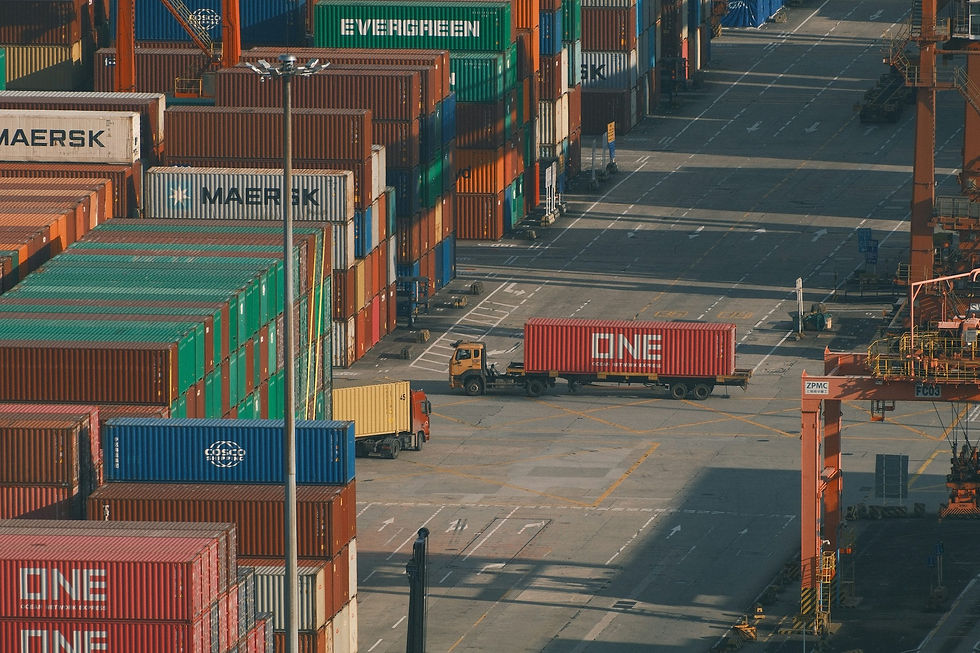
HVAC equipment often crosses borders several times before reaching a job site. A finished unit may be assembled in one country using compressors, motors, electronics, coils, and sheet metal from several others. When a tariff is applied to a component or finished product, the cost can move through the supply chain, from manufacturer to distributor, contractor, and finally the customer. Even when a product is not directly subject to a tariff, suppliers may adjust prices to cover freight, currency changes, compliance costs, or uncertainty.
More Attention to North American Manufacturing
One important response is a renewed focus on North American manufacturing. Manufacturers and distributors may look for Canadian, U.S., or Mexican suppliers to reduce dependence on distant factories and unpredictable shipping routes. Local or regional sourcing will not necessarily make equipment cheaper. Canadian production costs can be higher, and some specialized parts will still come from overseas. However, a shorter supply chain may improve delivery reliability and make it easier to obtain replacement parts.
Inventory Planning Becomes More Important
In the past, some HVAC businesses relied on just-in-time inventory. That approach reduces storage costs, but it can create problems when a shipment is delayed or a product is suddenly unavailable. Tariff uncertainty may encourage distributors and contractors to keep more of the most commonly needed equipment and parts in stock. This can increase carrying costs, but it may help customers avoid long waits during a winter cold snap or summer heat wave.
What This Means for Consumers

Canadian homeowners and building owners should ask contractors about equipment availability, expected delivery dates, warranty support, and alternative brands before approving a project. It is also wise to compare total operating costs, not just the purchase price. A higher-efficiency heat pump or air conditioner may cost more initially but use less electricity over time. Choosing equipment with readily available parts and qualified local service support can also reduce future delays.
A More Resilient HVAC Future
Tariffs are only one part of a larger transformation involving heat-pump adoption, lower-GWP refrigerants, electrification, and connected controls. Together, these forces are encouraging the HVAC industry to diversify suppliers, improve forecasting, and invest in local technical skills. For Canadian customers, the best outcome will not necessarily be the cheapest equipment on the day of purchase. It will be a reliable system that can be installed, serviced, and supplied with parts throughout its working life.

Comments